
Holistic Healing, Lasting Recovery: The Role of Faith‑Based Outpatient Programs in Substance Abuse Treatment

Recovery from substance abuse is a deeply personal journey that requires more than clinical interventions alone. Many individuals benefit from a holistic approach that addresses the mind, body, and spirit, fostering resilience and long-term wellness. Faith-based outpatient programs offer this kind of comprehensive support, blending evidence-based treatment with spiritual guidance to create a powerful foundation for lasting recovery. At WB Healthcare, our outpatient programs integrate compassionate care, individualized treatment, and faith-based principles to help patients navigate addiction and mental health challenges while remaining connected to their daily lives.

Understanding Faith-Based Outpatient Treatment

Faith-based outpatient programs combine structured therapy, counseling, and medical oversight with spiritual support. These programs are designed for individuals who seek to integrate their personal beliefs into their recovery journey. Outpatient care allows patients to live at home, attend work or school, and maintain family responsibilities while receiving professional guidance and spiritual support.

Benefits of Staying Grounded in Faith and Community

Incorporating faith into recovery provides emotional and spiritual stability, which can be crucial during challenging times. Patients often find motivation, hope, and a sense of purpose through spiritual practices, faith communities, and guidance from trained counselors who understand the role of spirituality in healing. Outpatient programs also encourage participation in peer support groups and family counseling, strengthening the network of encouragement necessary for long-term success.

Integrating Holistic Practices for Whole-Person Healing

WB Healthcare’s faith-based outpatient programs are not limited to spiritual care alone. They are designed to address the whole person, including physical, emotional, and psychological well-being.

Personalized Treatment Plans

Each patient receives a customized plan tailored to their specific needs. Treatment may include individual counseling, group therapy, skill-building sessions, and medication management when appropriate. By personalizing care, patients gain targeted support that addresses both substance use and co-occurring mental health challenges.

Holistic Approaches Complementing Spiritual Care

Holistic practices such as mindfulness exercises, wellness coaching, and stress management strategies are integrated into faith-based programs. These methods help patients build resilience, improve emotional regulation, and strengthen overall health, creating a foundation for sustainable recovery.

Applying Recovery Strategies in Daily Life

A key strength of outpatient care is the ability to practice recovery strategies in real-world situations. Patients learn coping skills, relapse prevention techniques, and communication strategies that they can immediately apply in their homes, workplaces, and communities. This approach reinforces personal responsibility while maintaining the support of therapists, counselors, and faith mentors.

Building a Support Network

Family involvement, peer groups, and faith communities play a vital role in sustaining recovery. Outpatient programs encourage patients to develop connections with supportive individuals who can provide guidance, encouragement, and accountability throughout their healing journey.

Faith and Holistic Care as Pathways to Lasting Recovery

Faith-based outpatient programs offer a unique opportunity for individuals to integrate spiritual guidance with evidence-based treatment. By combining holistic practices, personalized care, and professional oversight, these programs empower patients to address substance abuse and mental health challenges in a meaningful, sustainable way.

At WB Healthcare, our compassionate and individualized approach ensures that patients are supported in every aspect of their recovery. If you or a loved one is ready to embrace holistic healing and long-term sobriety, contact WB Healthcare today to learn more about our faith-based outpatient programs. Your path to lasting recovery begins with the right support, guidance, and care.

Staying Grounded at Home: Why Outpatient Treatment Works for Addiction and Co‑Occurring Disorders

Recovery from addiction and mental health challenges is a journey that often requires more than one form of support. For individuals living with co-occurring disorders, balancing treatment with daily life responsibilities can feel overwhelming. Outpatient treatment offers a practical solution, allowing patients to receive comprehensive care while remaining at home and engaged in their routines. At WB Healthcare, our outpatient programs are designed to provide compassionate, individualized support that addresses both substance use and mental health concerns in a holistic, faith-based, and evidence-informed way.

Understanding Outpatient Treatment for Co-Occurring Disorders

Outpatient treatment is a structured program that offers therapy, counseling, and medical oversight while allowing patients to continue living at home. Unlike inpatient care, which requires full-time residence at a facility, outpatient programs provide flexibility and independence while maintaining professional support. This model is especially beneficial for individuals managing co-occurring disorders, as it integrates care for both addiction and mental health conditions simultaneously.

The Advantages of Staying Home During Recovery

Remaining in a familiar environment can be therapeutic in itself. Patients can practice coping strategies in real-world situations, maintain work and family responsibilities, and rebuild a sense of routine. Outpatient care fosters autonomy while ensuring access to professional guidance, creating a balance that supports long-term recovery.

Integrated Care for Lasting Results

At WB Healthcare, we recognize that treating one condition without addressing the other can compromise recovery. Our outpatient programs offer integrated treatment, meaning addiction and mental health are treated together in a coordinated plan. This approach reduces the risk of relapse and promotes more sustainable outcomes.

Personalized Treatment Plans

Every recovery journey is unique. Our clinicians develop individualized plans that may include one-on-one therapy, group counseling, skill-building exercises, and medication management when necessary. Tailoring care to the patient’s specific needs ensures that each person receives the right balance of support and challenge for their recovery.

Holistic and Faith-Based Support

Recovery is more than symptom management. WB Healthcare incorporates holistic practices such as mindfulness, wellness coaching, and nutrition guidance to strengthen emotional, physical, and spiritual health. For patients seeking spiritual support, faith-based programs are available to provide encouragement, purpose, and additional motivation.

Building Independence While Receiving Support

Outpatient care empowers patients to take responsibility for their recovery. By applying new coping strategies at home and in real-life scenarios, patients build confidence, resilience, and practical skills. Regular contact with therapists and peer support groups ensures ongoing guidance and accountability, reinforcing progress and reducing the likelihood of relapse.

Strengthening Community Connections

Family and community involvement is a vital component of outpatient treatment. Encouraging participation in family sessions and peer support groups helps patients establish a supportive network that reinforces recovery efforts outside the therapy sessions.

Conclusion: Recovery Without Retreat

Outpatient treatment allows individuals with co-occurring disorders to stay grounded at home while receiving professional care. This approach promotes independence, practical skill-building, and long-term wellness, all within a compassionate and structured environment.

At WB Healthcare, our outpatient programs provide the integrated, holistic, and personalized care needed to manage addiction and mental health challenges simultaneously. If you or a loved one is ready to embrace recovery without stepping away from daily life, contact WB Healthcare today to learn how our outpatient programs can help you build a balanced, sustainable path to wellness.

From Crisis to Care: The Power of Outpatient Dual‑Diagnosis Programs for Mental Illness and Substance Use

Facing both a mental health disorder and a substance use challenge can feel overwhelming. Individuals with dual diagnoses often experience higher rates of relapse, emotional instability, and difficulty maintaining daily routines without the right support. Outpatient dual‑diagnosis programs provide a powerful solution by integrating treatment for both conditions while allowing patients to live at home and remain engaged in their daily lives. At WB Healthcare, our programs are designed to offer compassionate, individualized care that addresses the whole person and supports long-term recovery.

Understanding Dual Diagnosis

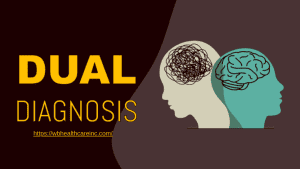
Dual diagnosis occurs when a person experiences both a mental health disorder, such as anxiety or depression, and a substance use disorder. These conditions often interact, with each one exacerbating the other. Treating them separately can leave gaps in care and increase the risk of relapse. A comprehensive approach that addresses both conditions simultaneously is critical for lasting recovery.

Why Outpatient Care Works

Outpatient dual‑diagnosis programs provide structure without requiring patients to step away from their lives. Therapy sessions, counseling, group support, and medical oversight are scheduled in a flexible way that accommodates work, family, and other responsibilities. This allows patients to immediately apply coping skills and strategies in real-world situations, reinforcing progress made in treatment.

Integrated Treatment for Lasting Results

At WB Healthcare, our outpatient programs focus on treating both substance use and mental health together. This integrated approach ensures that patients receive cohesive care that addresses the underlying causes of their challenges rather than just the symptoms.

Individualized Care Plans

Each patient receives a treatment plan tailored to their unique needs. Services may include individual counseling, group therapy, skill-building sessions, and medication management when appropriate. Personalized care ensures that patients are supported in the ways that matter most to their recovery journey.

Holistic and Faith-Based Support

Healing is more than just symptom management. Our programs incorporate holistic practices such as mindfulness, wellness coaching, and nutrition support to strengthen emotional, physical, and spiritual well-being. For those who choose it, faith-based elements provide an additional layer of guidance, motivation, and hope throughout recovery.

Building Skills and Independence

Outpatient care empowers patients to take ownership of their recovery. By practicing coping strategies in daily life, individuals build resilience, confidence, and self-efficacy. At the same time, ongoing support from therapists and peer groups ensures patients are never navigating challenges alone.

Strengthening Support Networks

Family involvement and peer connections are essential components of outpatient dual‑diagnosis programs. By cultivating a strong support system, patients gain accountability and encouragement, which are vital for sustaining long-term recovery.

Moving From Crisis to Stability

Dual‑diagnosis outpatient programs allow individuals to transition from crisis to care without stepping away from their daily responsibilities. Patients gain the tools, support, and confidence needed to manage both mental health and substance use challenges effectively. At WB Healthcare, our compassionate, individualized approach helps patients reclaim control over their lives and build a foundation for lasting wellness.

If you or a loved one is facing the challenges of dual diagnosis, contact WB Healthcare today. Our outpatient programs provide the professional guidance, holistic support, and practical strategies needed to move from crisis toward a stable, fulfilling life.